
The Physiological Impact of Cold Exposure
For the Pursuit of Wellness by REKOOP
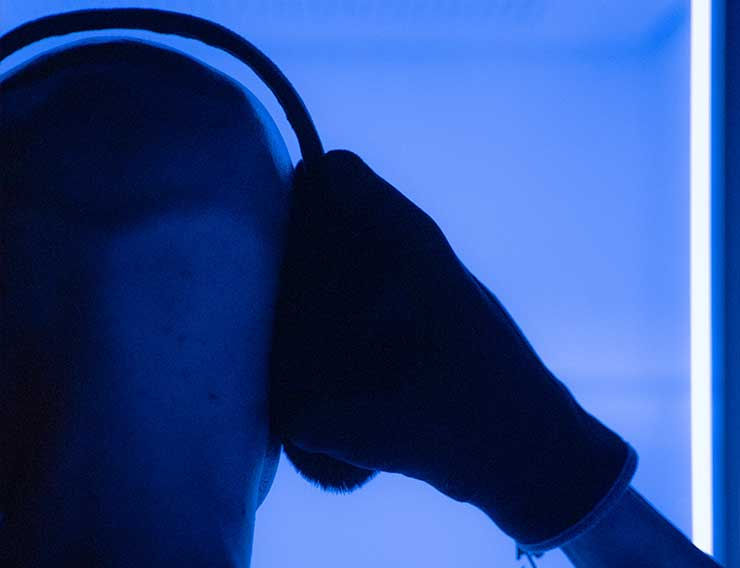
Cold exposure has moved beyond trend and into measurable practice. Its effects are well-documented across physiology, neurology, and recovery science, making it one of the most efficient tools for supporting resilience and performance.
At REKOOP, cold is not approached as an extreme, but as a controlled stimulus that trains the body to respond, adapt, and recover more effectively.
Immediate Physiological Response
Upon exposure to cold, the body initiates a series of rapid adaptations.
Peripheral blood vessels constrict, redirecting blood flow toward vital organs. Heart rate and respiratory rate increase briefly as the body adjusts to the stimulus. This initial response is part of a protective mechanism designed to maintain internal stability.
As the body returns to a neutral state post-exposure, circulation increases. Oxygenated blood is redistributed throughout the body, supporting tissue repair and recovery.
Neurological Effects
Cold exposure has a significant impact on the central nervous system.
Studies show an increase in noradrenaline, a neurotransmitter associated with focus, attention, and reaction speed. In parallel, dopamine levels can rise substantially and remain elevated for several hours following exposure.
This contributes to the commonly reported effects of improved mental clarity, enhanced alertness, and a more stable mood.
Inflammation and Recovery
Cold exposure plays a key role in regulating inflammation.
By slowing inflammatory processes, it supports recovery following physical exertion and reduces the cumulative impact of low-grade inflammation often associated with high-performance lifestyles.
This is particularly relevant for individuals managing regular training, travel, or sustained cognitive demand.
Adaptation and Resilience
Repeated exposure to controlled cold stress enhances the body’s ability to adapt.
Over time, the nervous system becomes more efficient at regulating stress responses. The body learns to transition more effectively between activation and recovery, strengthening overall resilience.
This adaptive capacity is a cornerstone of both performance and longevity.
The REKOOP Perspective
At REKOOP, cold exposure is integrated into personalised protocols designed to support recovery, mental clarity, and physiological balance.
When applied consistently and in combination with complementary modalities, it becomes a powerful tool for maintaining performance without accumulating strain.


Comments